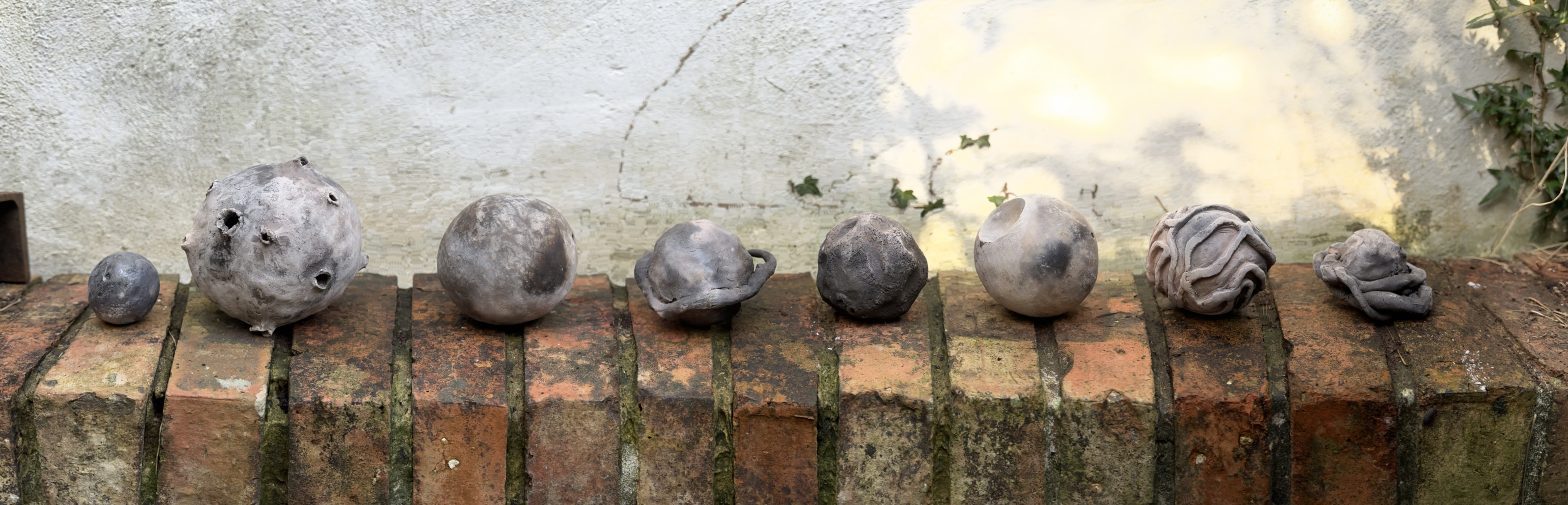
The Architecture of Planetary Systems by Lilli Tranborg and Arbie Edward.
In October 2025, we spent a session with Children Heard and Seen imagining entirely new planetary systems.
We started by talking about our own solar system before inviting everyone to invent a planet of their own. Together, we named planets, imagined inhabitants, designed landscapes and considered how these worlds might move through space. We talked about moons, climates, day lengths and origin stories, exploring what each planet might look and feel like.
The responses were wonderfully varied.
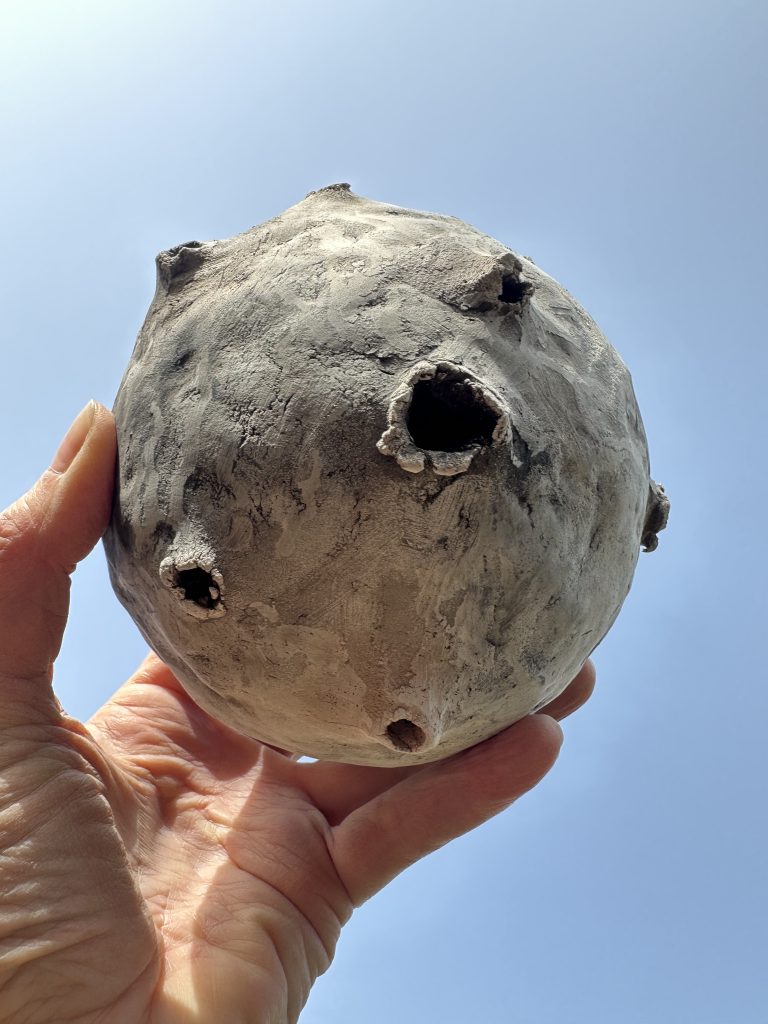
There was Planet Treasure, a cube-shaped world with a mountain of gems and emerald-coloured landscapes. Planet EMC was a tropical holiday destination filled with palm trees, pools and lush vegetation. Planet RM was inhabited by aliens and covered in rainforests, mountains, lakes and rivers, with a diamond core and three moons.
One of our favourites was Planet Octavius, a large square planet inhabited by chickens and zebras. It had 2,500 moons of different sizes, fish-ducks living beneath the water and every colour imaginable across its surface. Another planet was entirely purple, with a core made of plants and days that lasted a month. Others were quieter places, inhabited only by plants and water.
Hear what the children said:
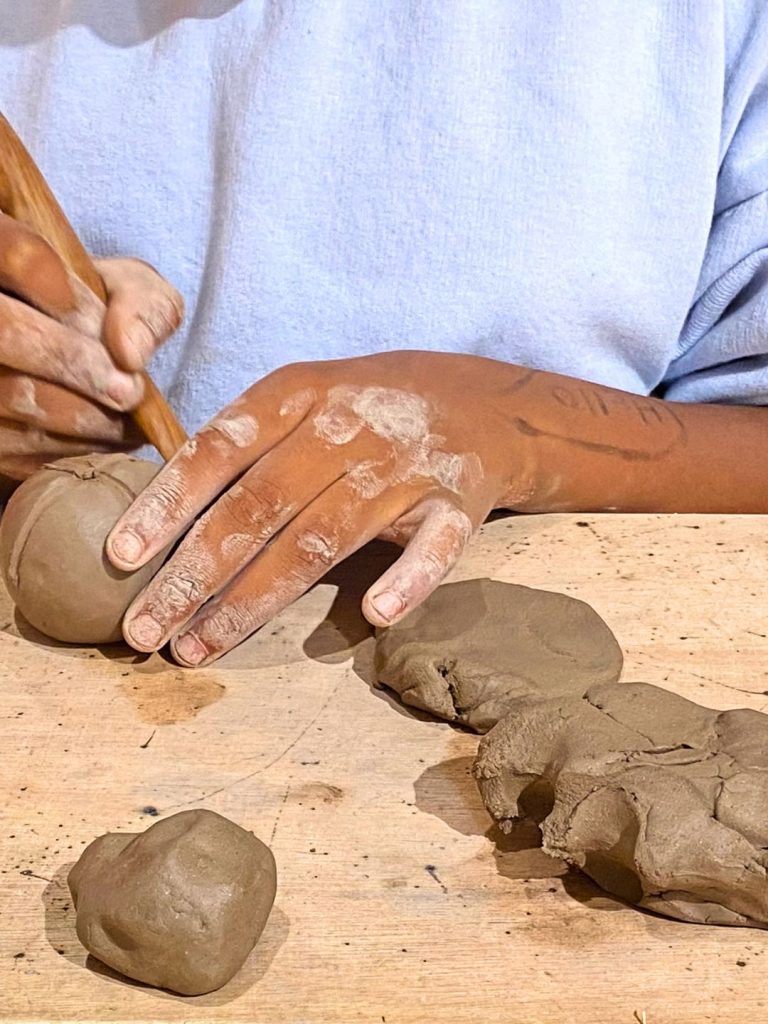
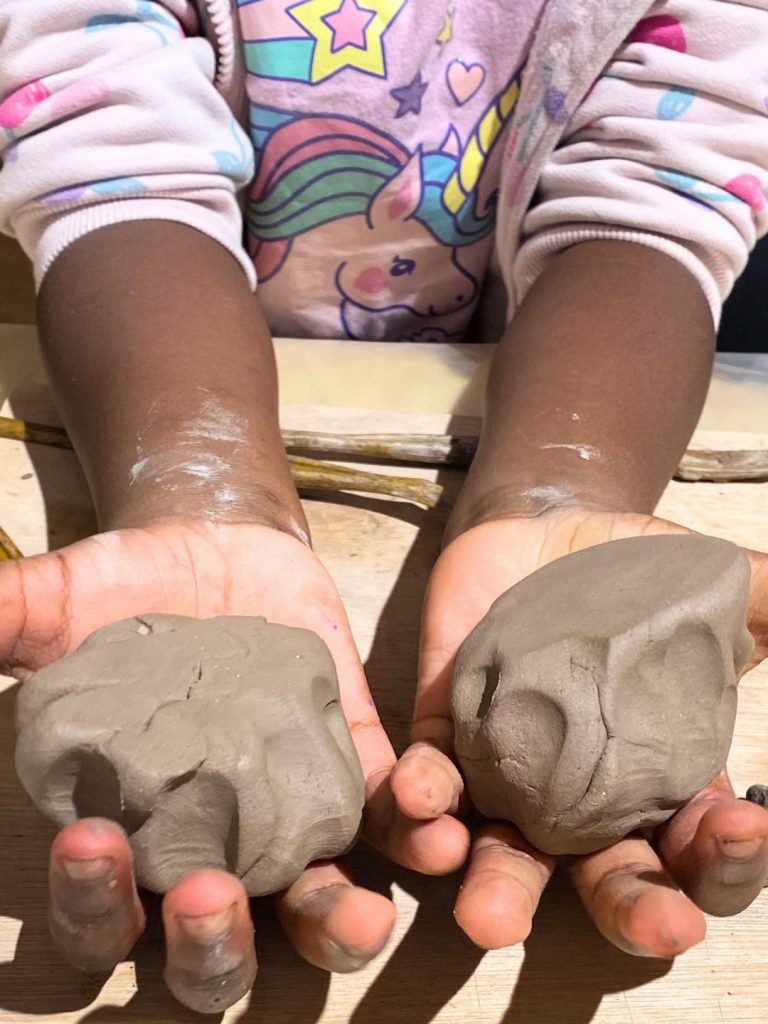
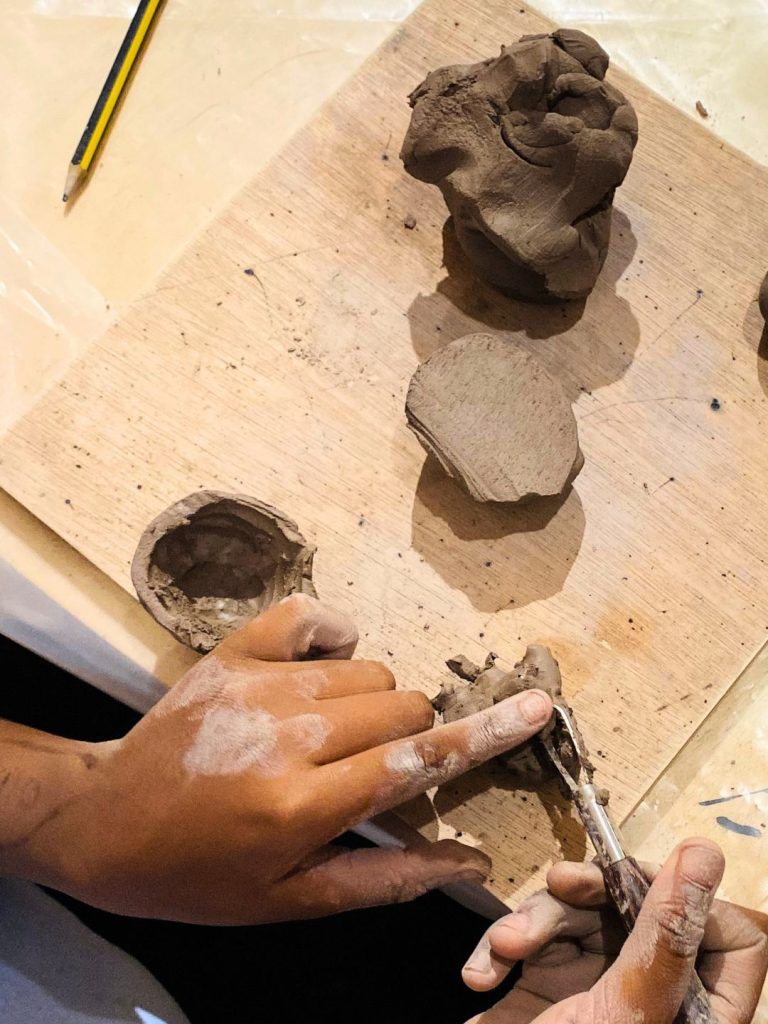
After developing their ideas, everyone used handmade botanical inks and clay to bring their planets to life.
The idea to make our own inks came from one of the children during an earlier session at Hill End. While searching for leaves to make chlorophyll prints, we came across a walnut tree. Arbie mentioned that walnuts could be used to make ink and one of the children immediately wanted to try making some there and then. Although we couldn’t make it on the spot, we agreed we would return to the idea in a future workshop.
Over the following months, Arbie gathered walnuts and foraged other seasonal materials. They experimented with different plants, simmering and straining them to create a palette of natural inks. Alongside the walnuts, they used elderberries, blackberries, rose petals, buddleia, alder cones, raspberry, field marigold, golden rod, nettle, hawthorn berries, avocado and pot marigold.
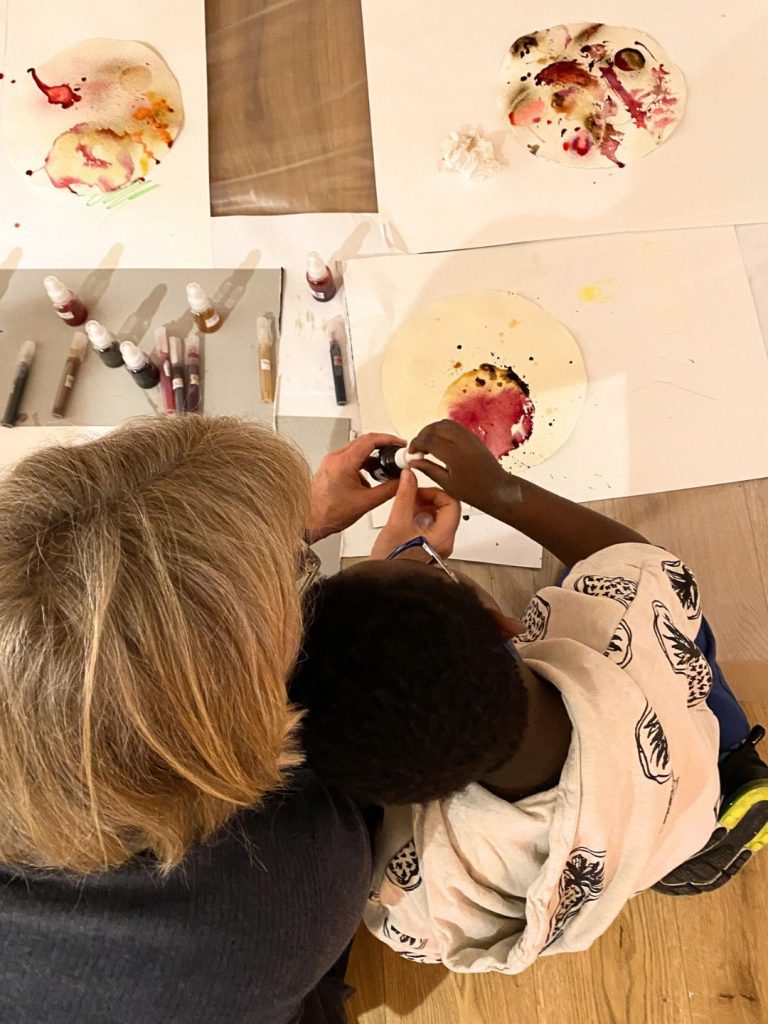
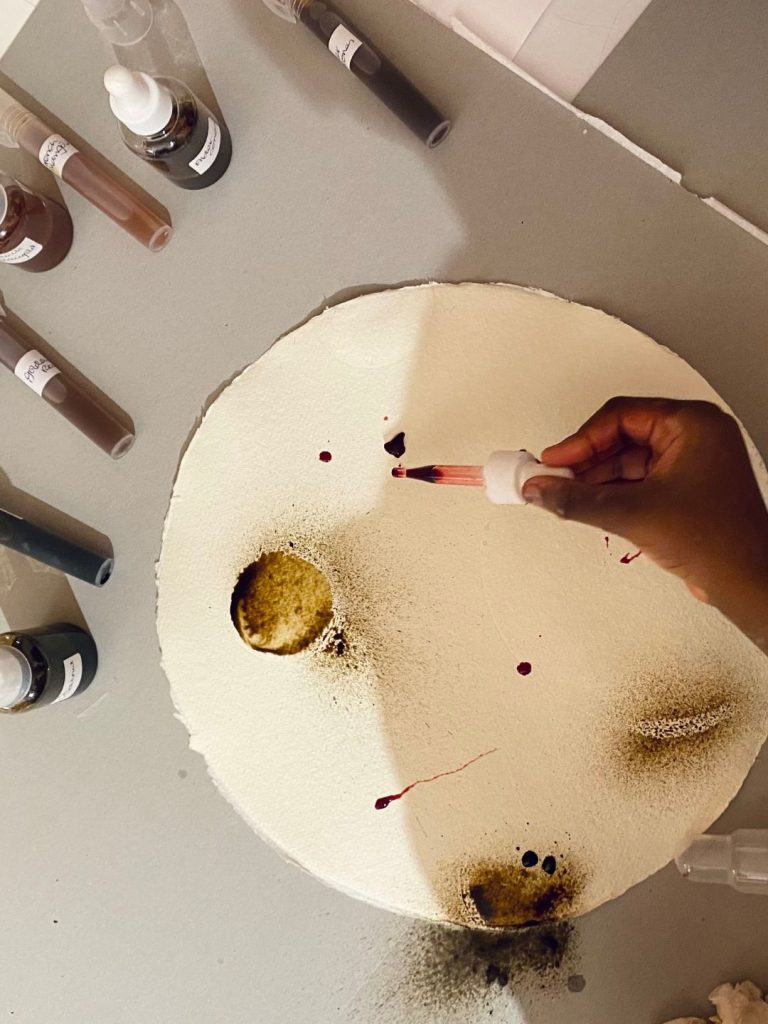
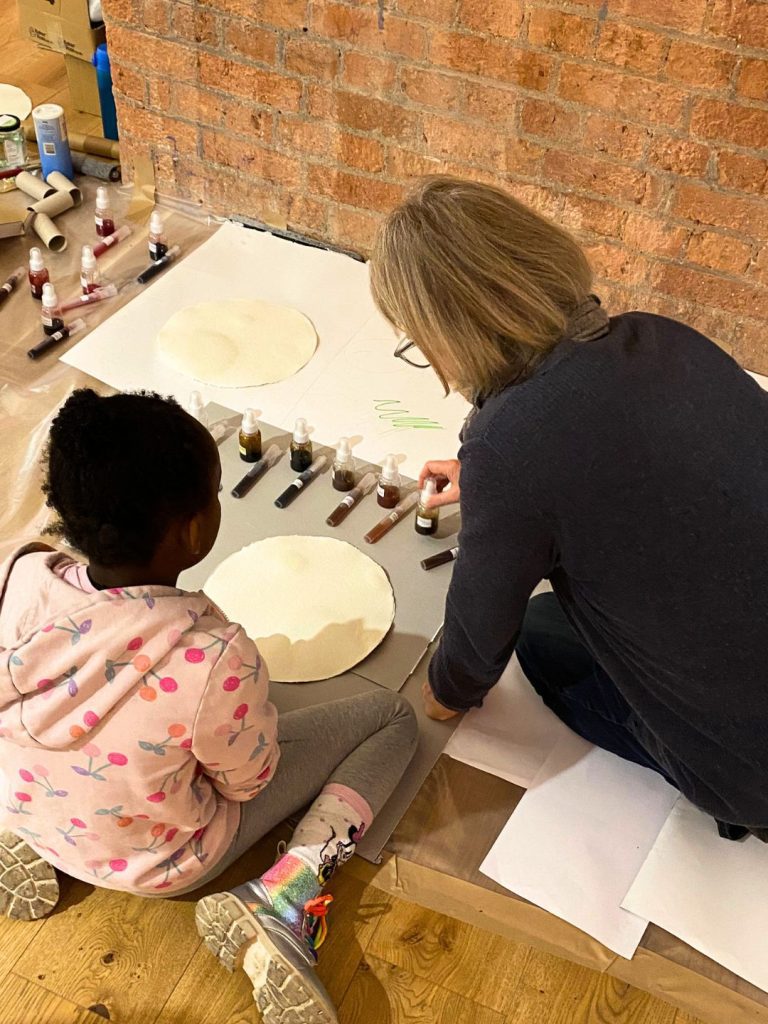
What we enjoyed most about this workshop was seeing how confidently everyone embraced the invitation to imagine something entirely their own. The planets were playful, strange, thoughtful and full of detail. Through colour, creatures and stories, each participant created a world shaped by their own ideas and interests.
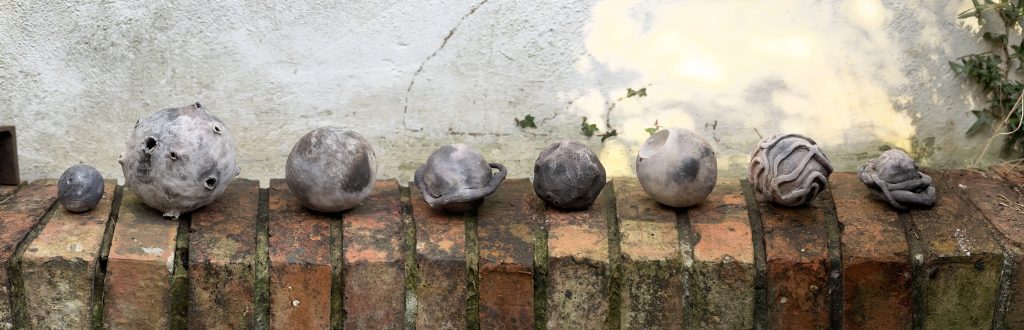
A world with 2,500 moons. A mountain made entirely of gems. A planet where everything is purple.
Given the chance, people are remarkably good at imagining new worlds.
This is part of Foraging Connections, an exhibition in our Ground Floor Gallery until 14 June 2026.